google wifi 3 pack Setup, Optimize, and Troubleshoot
Learn how to set up, optimize, and troubleshoot the google wifi 3 pack with clear, step-by-step guidance from WiFi Router Help to improve mesh coverage and reliability.


With the google wifi 3 pack, you will set up a three-node mesh network to blanket a typical home with reliable Wi-Fi. This guide walks you through essential prerequisites, placement tips, and a step-by-step setup process, plus troubleshooting advice. By following these actions, you’ll maximize coverage and simplify network management.
What is the google wifi 3 pack and how mesh works
According to WiFi Router Help, the google wifi 3 pack is a mesh Wi-Fi system that uses multiple nodes to blanket a home with a single network. Each node acts as a smart repeater, coordinating with others to deliver more reliable coverage than a single router. The Google Nest ecosystem popularized this form factor, and the google wifi 3 pack remains a common choice for mid-sized homes. Understanding how the mesh network distributes bandwidth helps you place each unit effectively and avoid dead zones. This article uses practical steps to set up, optimize, and troubleshoot your google wifi 3 pack, with guidance from WiFi Router Help.
Coverage planning: where to place nodes for optimal performance
Effective mesh performance starts with placement. Place the base node near your modem in a central location, and position satellites to minimize walls and large metal appliances between units. Maintain even spacing to avoid coverage gaps, and keep each node within line of sight or with a short ceiling clearance. The goal is a seamless handoff as you move through rooms, so avoid long corridors that create shadow zones. The google wifi 3 pack shines when configured with a single, unobstructed backbone that reduces backhaul bottlenecks.
Network safety and privacy basics for the google wifi 3 pack
Security begins at setup. Create a strong admin password, enable automatic firmware updates, and turn on the guest network for visitors. The google wifi 3 pack supports WPA2/WPA3 depending on model, plus periodic audits of connected devices. Regularly review connected devices in the app and remove unknown or inactive nodes. For families, enable parental controls and site filtering to protect children without compromising performance.
Connecting hardware: modem, router, and mobile setup workflow
Start by connecting the base unit to your modem with an Ethernet cable, then power it on. Wait for status LEDs to stabilize before adding satellites. Open the Google Home app (or Google Wifi app if using older setups) and follow the on-screen prompts to create your network, assign a name, and connect additional nodes. Consistency across devices ensures smoother control and fewer interference issues.
Step-by-step setup overview (high level) for the google wifi 3 pack
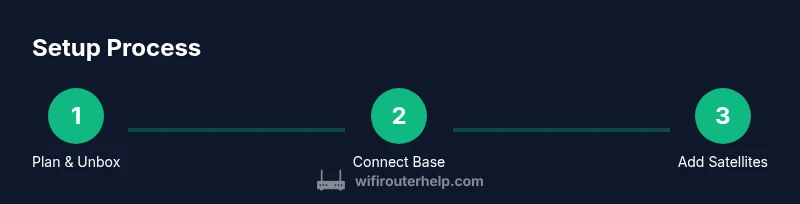
A successful setup begins with planning, followed by a clean hardware connection and a guided app experience. You’ll add the base unit first, then create the mesh by introducing satellites. Finally, you’ll confirm coverage with a quick test and adjust placement as needed to ensure no room is left without signal.
Fine-tuning settings: QoS, guest network, and protection
Tuning the network involves enabling Quality of Service (QoS) to prioritize video calls or gaming, enabling a guest network for visitors, and keeping firmware up to date. Review device access controls and enable safety features like safe browsing or firewall rules where available. Small tweaks, like isolating IoT devices on a separate network, can improve both security and performance.
Common issues and troubleshooting tips
If a satellite isn’t detected, check power, proximity, and ensure the unit is within range of the main network. If speeds drop in certain areas, adjust placement to reduce walls or interference, or run a quick speed test to compare before/after. When in doubt, a factory reset followed by a fresh setup can resolve stubborn connectivity problems without losing your core configuration.
Long-term maintenance and firmware updates
Regular firmware updates patch security holes and improve performance. Schedule automatic updates if possible and periodically re-check your network map to confirm signal consistency. Consider a future upgrade path if your home grows or if you add more smart devices that require more bandwidth or stronger mesh coverage.
Measuring performance and validating coverage
Use built-in speed tests and device-level checks to validate that every room receives reliable throughput. Walk your home with your phone or laptop to verify consistent performance, and document weak spots. A well-optimized google wifi 3 pack should provide smoother roaming and fewer buffering incidents across common household tasks.
Tools & Materials
- Modem with active internet connection(Connects to the internet and provides a path to the Google Wifi network.)
- Google Wifi base unit and two or more satellites(3-pack configuration for full mesh coverage.)
- Ethernet cable(One end to modem, other to base unit.)
- Smartphone or tablet with Google Home app(Needed to set up and manage the mesh network.)
- Clear, central mounting spots(Place nodes away from thick walls, metal appliances, and microwaves.)
- Optional: speed test app(Useful for validating coverage after placement changes.)
Steps
Estimated time: 45-75 minutes
- 1
Check prerequisites and plan placement
Ensure modem is online and you have the Google Home app installed. Sketch a rough map of your home to identify central, elevated spots for base and satellites.
Tip: Use a rough floor plan to anticipate dead zones before unboxing. - 2
Unbox and identify units
Unpack the base unit and satellites. Confirm you have three distinct units and all power adapters.
Tip: Label each unit by location you intend to place them to reduce confusion later. - 3
Connect base unit to modem
Connect one end of the Ethernet cable to the modem and the other to the base unit. Plug in and power on the base device.
Tip: Wait for the LED indicators to become stable before proceeding. - 4
Launch setup in Google Home app
Open Google Home, follow prompts to create a new network, and connect the base unit.
Tip: Choose a clear network name and a strong password during setup. - 5
Add satellites and place them
Add remaining units in the app as satellites and place them in the planned spots. Ensure they are within reasonable distance of the base unit.
Tip: Avoid placing satellites behind walls or large appliances; elevation helps signal propagation. - 6
Run initial tests and adjust
Perform a quick speed test and walk around the home to catch dead zones. Move satellites slightly if needed.
Tip: Small, incremental repositioning can yield big gains in coverage. - 7
Tune settings for performance
Enable QoS for priority devices, set up a guest network, and enable automatic firmware updates.
Tip: Isolate IoT devices on a separate network for security. - 8
Validate coverage
Re-run tests in rooms that previously showed weak signal and confirm consistency across devices.
Tip: Document any persistent weak spots for future improvements. - 9
Maintain system
Periodically check for updates and reassess placement if you add new devices or relocate furniture.
Tip: Keep your network map current to simplify future adjustments.
People Also Ask
Do I need the Google Home app to set up the google wifi 3 pack?
Yes. The Google Home app guides network creation, device addition, and placement optimization. It also handles firmware updates and security settings.
Yes. Use the Google Home app to set up and manage your mesh network.
Can I mix a google wifi 3 pack with other brands in a single mesh?
Mesh systems work best when all nodes come from the same ecosystem. Mixing brands may cause compatibility issues and degraded performance.
Typically not recommended; use all nodes from the same system for best results.
What should I do if a satellite isn’t detected by the app?
Check power, ensure it’s within range of the base unit, and retry the add process in the app. If necessary, reset the satellite and re-add.
First, check power and proximity, then re-add the satellite in the app.
Is the google wifi 3 pack compatible with all ISPs and modems?
Most broadband connections work with the google wifi 3 pack. If you use a modem-router combo, you may need to disable the built-in router feature or set the modem to bridge mode.
It generally works with most ISPs; you may need to adjust your modem settings in bridge mode.
How can I verify that coverage is good after setup?
Use a speed test on multiple devices in different rooms and walk around to identify weak areas. Reposition satellites if needed.
Run speed tests in rooms across the home and adjust as needed.
What basic maintenance should I perform regularly?
Keep firmware up to date, review connected devices, and re-test after major furniture changes or new devices.
Update firmware and re-test after changes.
Watch Video
What to Remember
- Plan node placement before unboxing.
- Use the Google Home app to manage the mesh network.
- Enable security features and firmware updates.
- Test coverage in real rooms and adjust placement as needed.
- Maintain network documentation for future changes.